한국에서 마스크팩 생산하기: 패키징 인쇄와 비용 이해하기
한국은 마스크 시트(sheet mask) 제조 기술과 품질 관리로 세계적으로 유명하며 많은 글로벌 브랜드가 한국 OEM/ODM 제조사를 통해 제품을 생산합니다. 하지만 처음 생산을 진행하는 브랜드에게는 패키징 인쇄 방식, 비용 구조, MOQ(최소 주문 수량) 등이 매우 낯설 수 있습니다.
이 글에서는 특히 마스크팩 파우치(sachet) 패키징 인쇄에 대해 기본적인 개념을 설명합니다.
1. 마스크팩 패키징 구조 이해하기
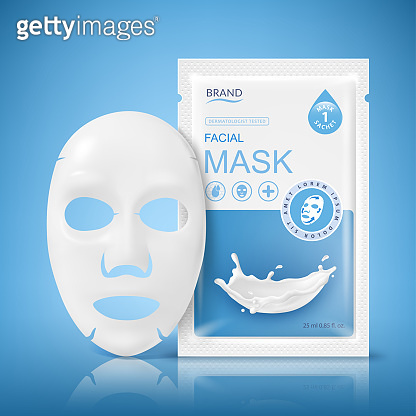
마스크팩은 보통 사셰(sachet) 또는 파우치(pouch) 형태로 판매됩니다.
이 파우치는 여러 층의 필름을 결합한 **라미네이트 필름(laminated film)**으로 만들어집니다.
대표적인 구조 예시
- PET / AL / CPP
- PET / NY / CPP
각 층의 역할
| PET | 인쇄층 |
| AL (알루미늄) | 산소 차단 |
| NY | 강도 |
| CPP | 내용물 접촉층 |
이 필름에 디자인을 인쇄한 뒤 파우치 형태로 가공하게 됩니다.
2. 한국에서 사용하는 주요 인쇄 방식
마스크팩 파우치 인쇄에는 두 가지 방식이 있습니다.
Gravure Printing (그라비아 인쇄)

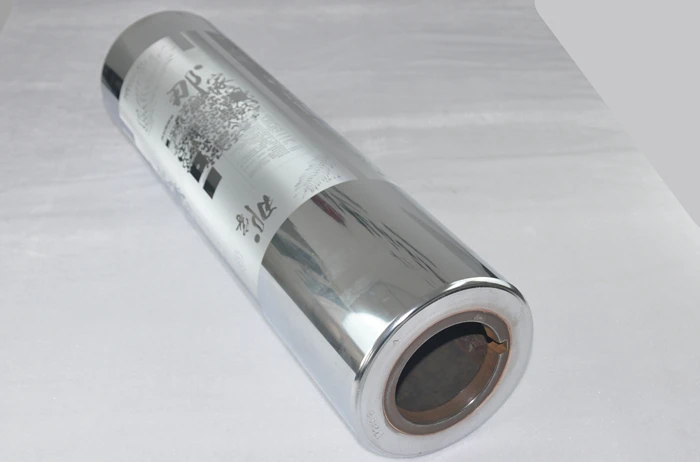

한국 화장품 패키징에서 가장 많이 사용하는 방식입니다.
특징
- 금속 인쇄판(실린더) 제작 필요
- 대량 생산에 적합
- 색상 품질 매우 우수
- 글로벌 브랜드 대부분 사용
일반적인 생산 과정
- 디자인 확정
- 인쇄판(plate/cylinder) 제작
- 필름 롤 인쇄
- 라미네이션
- 파우치 가공
초기에는 인쇄판 제작 비용이 발생하지만 대량 생산 시 단가가 매우 낮아집니다.
Digital Printing (디지털 인쇄)
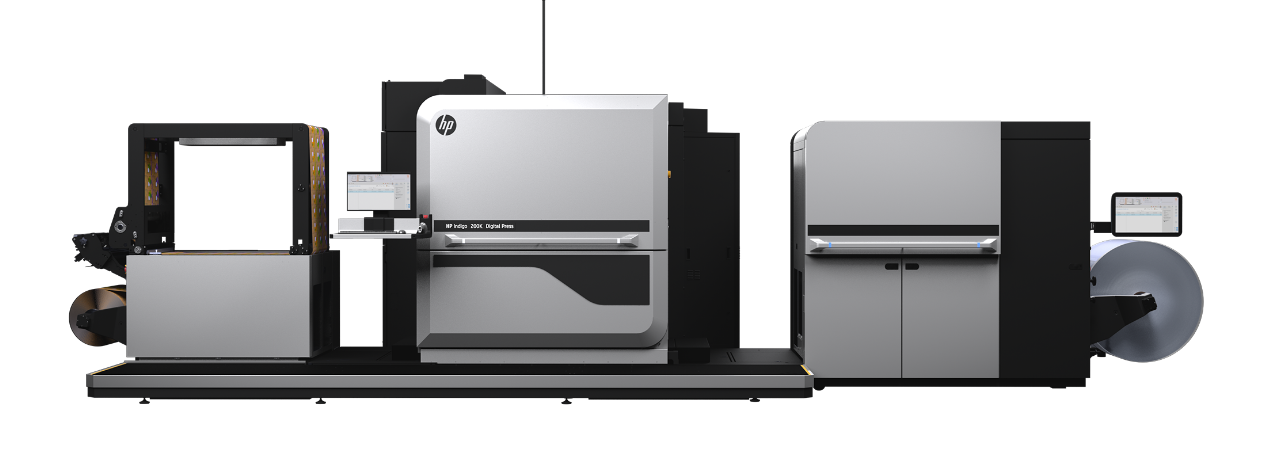
디지털 인쇄는 인쇄판 없이 직접 인쇄하는 방식입니다.
특징
- 인쇄판 비용 없음
- 디자인 변경 쉬움
- 소량 생산 가능
하지만
- 장당 비용이 높음
- 색상 재현성이 그라비아보다 낮음
- 금/은 메탈 색 표현 제한
그래서 대부분 브랜드는
- 샘플 생산 → 디지털 인쇄
- 정식 생산 → 그라비아 인쇄
이 구조를 사용합니다.
3. 인쇄 “도수(Color Plate)” 이해하기
패키징 견적을 받을 때 자주 듣는 용어가 **“도수(color plates)”**입니다.
인쇄에서 1도 = 잉크 색상 1개 = 인쇄판 1개
예
CMYK 인쇄
- Cyan
- Magenta
- Yellow
- Black
→ 총 4도
만약 브랜드 색상(Pantone)이 추가되면
CMYK + Spot Color
→ 5도 인쇄
즉 인쇄판도 5개가 필요합니다.
4. 대략적인 비용 구조
패키징 비용은 크게 세 가지로 나눌 수 있습니다.
1) 인쇄판 제작 비용
일반적인 가격
- 인쇄판 1개 : 약 USD 150–300
예
5도 인쇄
- 5 plates × $200
→ 약 $1,000
이 비용은 보통 첫 생산 때만 발생합니다.
2) 파우치 인쇄 비용
대량 생산 기준
대략적인 단가
- $0.05 ~ $0.10 / pouch
수량이 많을수록 단가는 낮아집니다.
3) 마스크팩 완제품 비용
일반적인 OEM 가격
- $0.30 ~ $0.80 / sheet mask
(원단, 에센스, 패키징에 따라 차이)
5. MOQ (Minimum Order Quantity)
한국 OEM 제조사의 일반적인 MOQ는 다음과 같습니다.
| 디지털 인쇄 | 1,000 ~ 5,000 pcs |
| 그라비아 인쇄 | 30,000 ~ 100,000 pcs |
대부분 제조사는 50,000 pcs 이상 생산을 권장합니다.
6. 디자인할 때 주의할 점
패키징 디자인은 단순히 그래픽 작업이 아니라 인쇄 공정을 고려한 설계가 필요합니다.
중요한 포인트
1) 인쇄 색상 수 최소화
색상이 많을수록
- 인쇄판 증가
- 비용 상승
그래서 보통
4C + 1 Spot 이하로 디자인하는 것이 일반적입니다.
2) 메탈 필름 사용 시 White 인쇄 필요
알루미늄 필름은 은색이기 때문에
색상을 정확하게 표현하려면 White base layer가 필요합니다.
예
4C + White
→ 실제 5도 인쇄
3) 인쇄 영역과 씰링 영역 구분
파우치 가장자리에는 열접착(sealing area) 공간이 필요합니다.
이 영역에는
- 텍스트
- 로고
배치하면 안 됩니다.
7. 브랜드가 고려해야 할 추가 비용
한국에서 마스크팩을 생산할 때는 다음 비용도 고려해야 합니다.
- 인쇄판 제작비
- 패키징 금형비
- 디자인 수정 비용
- 물류 및 국제 배송
- 제품 등록 및 규제 비용 (FDA, CPSR 등)
초기 브랜드의 경우 패키징 개발 비용만 $1,000~$3,000 정도 발생하는 경우도 많습니다.
8. 결론
한국에서 마스크팩을 생산하려는 브랜드는 먼저 패키징 인쇄 구조와 비용 구조를 이해하는 것이 중요합니다.
소량 테스트 생산에는 디지털 인쇄, 대량 생산에는 그라비아 인쇄가 일반적으로 사용됩니다.
또한 인쇄 색상 수, 인쇄판 제작 비용, MOQ 등을 고려하여 디자인을 진행해야 생산 비용을 효율적으로 관리할 수 있습니다.
한국 OEM/ODM 제조사와 협업할 때 이러한 기본 구조를 이해하고 있다면 견적 협상, 제품 개발, 패키징 디자인 과정이 훨씬 수월해질 것입니다.
Producing Sheet Masks in Korea: A Beginner’s Guide to Packaging Printing, Costs, and MOQ
Korea is globally known for its advanced skincare manufacturing and innovation in sheet masks. Many international beauty brands—especially startups—choose to produce their products through Korean OEM/ODM manufacturers.
However, if you are creating a sheet mask brand for the first time, the manufacturing process can feel confusing. Terms like gravure printing, color plates, MOQ, and laminated film are commonly used in the industry but may not be familiar to new brands.
This guide explains the basics of sheet mask pouch printing, common industry terminology, estimated costs, and important design considerations so that brands new to Korean manufacturing can better understand the process.
1. Understanding Sheet Mask Packaging Structure
Most sheet masks are packaged in sachets or flexible pouches. These pouches are made from laminated films, which combine multiple layers of materials to protect the product and maintain stability.
Common film structures include:
- PET / AL / CPP
- PET / NY / CPP
Each layer has a specific function:
| PET | Printing surface |
| AL (Aluminum) | Oxygen and light barrier |
| NY (Nylon) | Strength and durability |
| CPP | Inner layer that contacts the product |
The packaging design is printed on the film first, and then the film is converted into a pouch.
2. Main Printing Methods Used in Korea
There are two main printing methods used for sheet mask packaging.
Gravure Printing
Gravure printing is the most widely used printing method in Korean cosmetic packaging.
Key characteristics:
- Requires metal printing cylinders (plates)
- Ideal for large-scale production
- Excellent color consistency and quality
- Used by most global beauty brands
Typical production process:
- Finalize the design
- Produce printing cylinders
- Print on film rolls
- Laminate the films
- Convert into pouches
Although there is an initial cost for cylinder production, gravure printing becomes very cost-efficient for large volumes.
Digital Printing
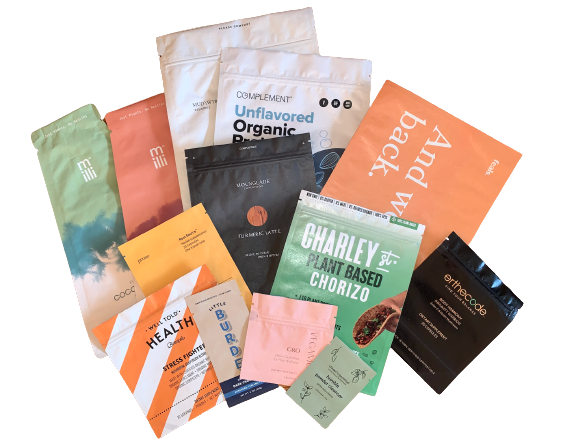
Digital printing prints directly onto film without creating printing plates.
Characteristics:
- No cylinder or plate cost
- Fast setup
- Suitable for small production runs
Advantages:
- Easy design changes
- Lower upfront cost
- Ideal for prototypes or small batches
Limitations:
- Higher cost per pouch
- Slightly lower color consistency
- Limited metallic color options (gold/silver)
Because of these limitations, many brands use:
- Digital printing for sampling or testing
- Gravure printing for mass production
3. Understanding “Color Plates” in Printing
When discussing packaging quotes, manufacturers often refer to “color plates” or “printing plates.”
In printing terminology:
1 color = 1 plate
For example:
Standard CMYK printing includes:
- Cyan
- Magenta
- Yellow
- Black
This equals 4 plates (4 colors).
If a brand color or Pantone color is added:
CMYK + Spot Color
This becomes 5 plates (5 colors).
Each additional color requires another printing cylinder.
4. Estimated Cost Structure
Packaging costs usually include three main components.
1. Printing Plate Cost
Typical price:
- $150–$300 per plate
Example:
If your design uses 5 colors:
5 plates × $200 ≈ $1,000
This is usually a one-time cost unless the design changes.
2. Pouch Printing Cost
Typical large-volume pricing:
- $0.05 – $0.10 per pouch
The price decreases with larger quantities.
3. Finished Sheet Mask Cost
Typical OEM manufacturing cost:
- $0.30 – $0.80 per sheet mask
The price depends on:
- Mask material
- Essence formulation
- Packaging quality
- Production volume
5. MOQ (Minimum Order Quantity)
Typical MOQ ranges in Korean manufacturing:
| Digital printing | 1,000 – 5,000 pcs |
| Gravure printing | 30,000 – 100,000 pcs |
Most manufacturers recommend at least 50,000 units for commercial production.
6. Important Design Considerations
Packaging design should consider printing limitations and manufacturing processes.
Here are key points brands should keep in mind.
1. Minimize the Number of Colors
More colors mean:
- More printing plates
- Higher production costs
Many brands try to keep designs within:
4C + 1 spot color
to control printing costs.
2. White Ink Is Often Required
If the pouch uses metallic aluminum film, colors may appear distorted without a white base layer.
In that case, manufacturers print:
4C + White
which actually becomes 5 color plates.
3. Avoid the Sealing Area
Pouch edges require space for heat sealing during manufacturing.
Text, logos, or important graphics should not be placed too close to the edges.
7. Additional Costs Brands Should Consider
When producing sheet masks in Korea, brands should also consider:
- Printing plate production
- Packaging tooling or mold costs
- Design revisions
- International shipping and logistics
- Regulatory compliance (FDA registration, EU CPSR, etc.)
For many startups, initial packaging development costs may range from $1,000 to $3,000 before full production begins.
8. Final Thoughts
For brands planning to manufacture sheet masks in Korea, understanding packaging printing methods and cost structures is essential.
In general:
- Digital printing is ideal for small runs and product testing
- Gravure printing is the standard choice for large-scale commercial production
By understanding printing plates, MOQ requirements, and packaging design considerations, brands can better communicate with Korean OEM/ODM manufacturers and make informed decisions during product development.
With the right preparation, producing sheet masks in Korea can be a highly efficient and rewarding process for emerging beauty brands.